Desert Pullout: What Every Driver in Dubai Should Know
Driving in Dubai often means shifting from smooth highways to soft sand in a matter of minutes. One moment you are cruising along a paved road, the next you are staring at a stretch of desert that looks firm but is actually loose and unpredictable. Getting stuck is not a matter of if, but when, for anyone who ventures off-road. A desert pullout is not just about yanking a vehicle out of the sand. It requires a careful approach, the right equipment, and a clear head. Over the years, I have seen drivers make the same mistakes again and again, and I have learned a few things about what actually works and what ends up making the situation worse.
Understanding the Desert Pullout Challenge
When a vehicle sinks into sand, the instinct is to hit the accelerator and try to power out. That almost never works. Spinning tires only dig deeper, burying the chassis until the undercarriage rests on the sand. At that point, the vehicle is high-centered, and no amount of wheel spin will free it. A proper desert pullout starts with stopping the vehicle immediately when you feel it losing traction. Then you assess the situation before doing anything else.
The weight of the vehicle matters a lot. A lightweight sedan can often be freed with a few sandboards and some shovel work. A heavy SUV or a loaded truck is a different story. The deeper the sand, the more force is needed, but force applied in the wrong direction can damage the vehicle or the recovery gear. The key is to pull in the same line the vehicle entered, not at an angle. Pulling sideways can roll the vehicle or snap a tow strap.
Common Mistakes People Make
I have watched people attach a tow rope to the nearest point on the stuck car, often the bumper or a random bracket. That is a fast way to bend metal or tear off bodywork. Recovery points are engineered into vehicles for a reason. On most modern cars, there is a threaded hole under the front or rear bumper, often behind a removable plastic cover. That is where the tow hook or shackle goes. On off-road vehicles, there are dedicated recovery points welded to the frame. Use those, not the bumper, not the axle, not the suspension arm.

Another common error is using too much speed during the pull. A slow, steady pull with a kinetic recovery rope is far more effective than a fast jerk from a chain or a static strap. Kinetic ropes stretch under tension and then contract, transferring energy smoothly. Chains and static straps transmit shock loads that can snap components or whip back dangerously. I have seen a broken shackle fly through the air like a bullet. It is not something you want near people.
When to Call for Help
There are times when a self-recovery attempt is not wise. If the vehicle is stuck in soft sand beyond the axles, if the tide is coming in on a beach, or if the battery is dead and the winch will not run, it is better to call professionals. That is where a service like Car Recovery Dubai Desert pullout comes into play. They have the equipment and the experience to handle situations that would stump most drivers. A heavy recovery truck with a winch and a knowledgeable operator can extract a vehicle in minutes without causing damage.
I recall a situation near Al Qudra Lakes where a driver took a sedan onto a dune trail that was clearly marked for 4x4s only. The car was buried to the door sills. A few well-meaning bystanders tried to push it out, but the sand was too soft and the car too low. Eventually, a recovery truck arrived, anchored to a solid point on the road, and pulled the car out in one clean line. The driver learned a lesson that day about respecting desert terrain.
What Professional Recovery Brings
Professional recovery operators know how to read the ground. They can tell by the look of the sand whether it is compacted or loose. They know how much tension to apply and when to stop. They also have the right gear, from sand mats to air jacks to long tow straps. A Car Recovery Dubai Desert pullout is not just about brute force. It is about using the right technique for the specific situation. That might mean deflating tires to increase grip, digging out the sand from under the chassis, or using a winch at a careful angle.
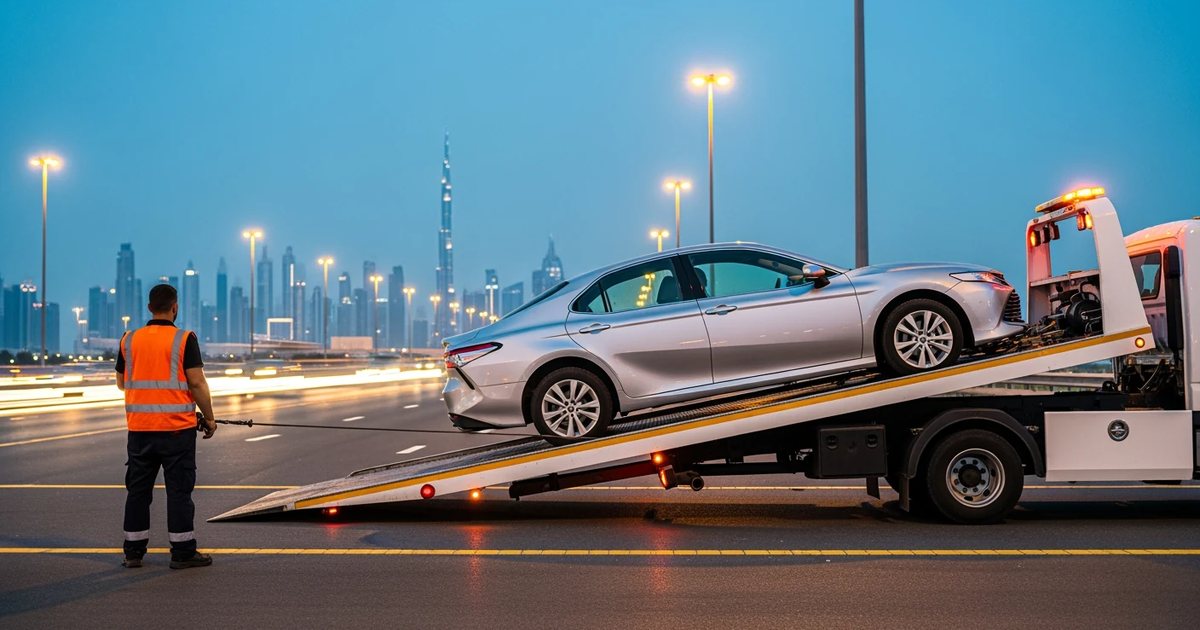
There is also the question of safety. A recovery cable under tension can snap and cause serious injury. Professionals know how to keep bystanders at a safe distance, how to use dampeners on the cable, and how to communicate clearly during the pull. They also carry insurance, which matters if something goes wrong. When you attempt a recovery yourself and damage the vehicle, you are on the hook for the repair costs.
Practical Tips for Avoiding a Desert Pullout
Prevention is always better than recovery. Here are a few things I have found useful over the years:
- Lower tire pressure before driving on sand. Dropping to 15-18 PSI increases the footprint and reduces sinking. Remember to reinflate before hitting the highway.
- Carry a shovel, sandboards or a sturdy mat, and a tow strap with rated shackles. A recovery board can be as simple as a piece of plywood, but it works.
- Never drive alone in the desert. A second vehicle can pull you out or go for help. If you must go solo, carry a satellite phone or a personal locator beacon.
- Learn to read the sand. Darker, wet-looking sand is usually more compact. Light, powdery sand is treacherous. Avoid steep dune faces unless you know the exit route.
- If you feel the vehicle start to sink, stop immediately and reverse if possible. The longer you spin, the deeper you go.
The Role of Experience
I have done my share of recoveries, both for myself and for strangers I met on the trail. Each one taught me something. One time, I helped pull out a delivery van that had strayed off a construction road into soft sand. The driver was panicking, but we took it slow, dug out the front wheels, and used a kinetic rope from a pickup truck. It came out clean. Another time, I saw a group of friends try to tow a stuck SUV with a rope tied to a tree. The rope snapped and hit the trunk of the tree with enough force to strip bark. If someone had been standing in the wrong spot, it could have been ugly.
That is why I always recommend calling a service like Car Recovery Dubai when the situation looks complex. They have done thousands of recoveries and know the common pitfalls. A Car Recovery Dubai Desert pullout is handled by people who understand the local terrain, the types of vehicles common in the UAE, and the best practices for each scenario. It is not just about pulling a car. It is about doing it safely and efficiently.
Final Thoughts
Getting stuck in the desert is not a sign of poor driving. It happens to the best of us. What matters is how you handle it. Stay calm, assess the situation, and decide whether you can self-recover or need professional help. If you do attempt a self-recovery, use the right gear and the right technique. If you call for help, give clear directions to your location and wait in a safe spot away from the vehicle. The desert will still be there tomorrow, but your car and your safety come first.